
Automotive Supply Chain Industry: How Modern Manufacturing Depends on Smart Supply Networks
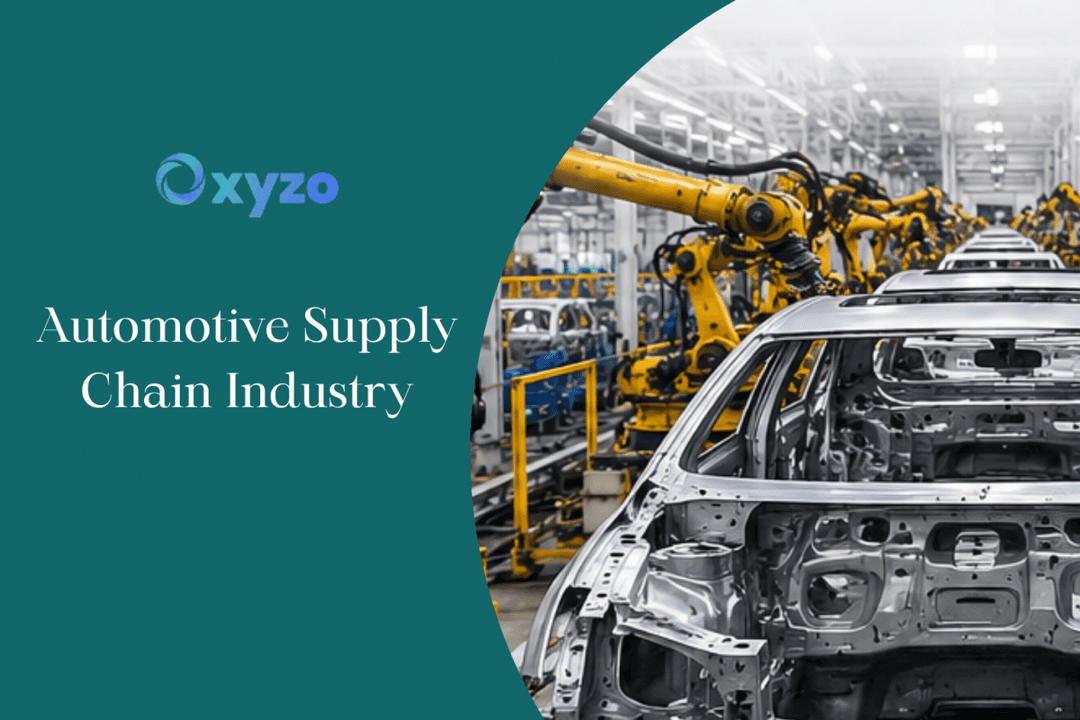

TL;DR: Automotive supply chain industry operations are evolving due to EV demand, rising raw material costs, digital procurement, and global sourcing shifts. The automotive supply chain industry now depends heavily on supplier diversification, inventory planning, logistics efficiency, and technology integration. Businesses focusing on supply chain visibility and resilience are better prepared for disruptions and future manufacturing growth.
Automotive supply chain industry is one of the most important parts of global manufacturing. Every vehicle depends on suppliers, manufacturers, logistics providers, and distributors working together. Even a small disruption can delay production and increase operational costs.
Today, the automotive supply chain industry is changing rapidly due to EV adoption, semiconductor demand, rising commodity prices, and digital manufacturing systems. Automotive businesses now focus on supplier diversification, inventory optimization, and supply chain visibility to reduce risks and improve operational efficiency.
What Is the Automotive Supply Chain Industry?
The automotive supply chain industry includes the complete network involved in vehicle manufacturing and delivery. It covers raw material sourcing, component manufacturing, logistics, warehousing, and final distribution.
The automotive supply chain industry operates through multiple supplier levels. Tier-1 suppliers directly supply components to OEMs. Tier-2 and Tier-3 suppliers provide sub-components and raw materials.
For example, steel manufacturers supply metal to component makers. Component manufacturers then produce engines, braking systems, and vehicle parts for automotive companies.
Because thousands of components are involved, the automotive supply chain industry depends heavily on coordination and planning.
Why the Automotive Supply Chain Industry Matters?
The automotive supply chain industry directly impacts manufacturing speed, procurement costs, and delivery timelines. Efficient supply chain operations help businesses maintain production continuity and reduce delays.
Modern automotive manufacturing follows lean inventory and just-in-time production models. This reduces inventory costs but increases dependency on supplier reliability.
The automotive supply chain industry helps businesses:
- Improve inventory efficiency
- Reduce procurement delays
- Maintain production continuity
- Improve supplier coordination
- Support large-scale manufacturing
As manufacturing becomes more technology-driven, automotive companies are investing heavily in digital supply chain systems.
Main Parts of the Automotive Supply Chain Industry
The automotive supply chain industry consists of several connected stages. Each stage plays a critical role in maintaining uninterrupted vehicle production.
Raw Material Procurement
Raw material sourcing forms the foundation of the automotive supply chain industry. Automotive manufacturers depend on uninterrupted access to industrial materials and commodities.
Important materials include:
- Steel
- Aluminum
- Copper
- Rubber
- Plastic polymers
- Lithium
- Semiconductor materials
Commodity price fluctuations directly impact manufacturing costs. Automotive companies therefore focus on strategic sourcing and long-term supplier agreements.
Raw material availability is becoming more important due to growing EV production.
Auto Component Manufacturing
Component manufacturers are a major part of the automotive supply chain industry. They produce systems and parts required for vehicle assembly.
These components include:
- Engines
- Gear systems
- Wiring harnesses
- Suspension systems
- Brake systems
- Battery packs
- Electronic modules
India has emerged as a major automotive component manufacturing hub. Cost efficiency and industrial growth continue driving expansion in this sector.
Logistics and Warehousing
Efficient transportation is critical in the automotive supply chain industry. Manufacturing depends on continuous movement of parts between suppliers and assembly units.
Automotive businesses invest heavily in:
- Shipment tracking systems
- Warehouse automation
- Fleet management
- Route optimization
- Inventory visibility systems
Transportation delays can stop production lines and increase operational losses.
Technology and Automation
Technology is transforming the automotive supply chain industry at every level. Businesses now use digital systems to improve forecasting and operational visibility.
Common technologies include:
- AI-driven demand forecasting
- ERP systems
- IoT-enabled inventory tracking
- Robotics and automation
- Supply chain analytics
- Cloud-based procurement systems
These tools help businesses reduce inefficiencies and improve production planning.
Major Challenges in the Automotive Supply Chain Industry
The automotive supply chain industry faces several operational and sourcing challenges. Global disruptions continue affecting manufacturing efficiency and supplier reliability.
Semiconductor Shortages
Semiconductor shortages created major disruptions across the automotive supply chain industry. Modern vehicles require chips for multiple electronic systems.
These include:
- Safety systems
- Infotainment units
- Navigation systems
- Battery management systems
Reduced chip availability slowed vehicle production across global automotive markets.
Rising Raw Material Prices
Rising steel, aluminum, and energy prices continue affecting the automotive supply chain industry. Higher input costs increase manufacturing expenses and reduce supplier margins.
Many businesses now focus on supplier diversification and procurement planning to reduce risks.
Supply Chain Disruptions
Global events exposed major vulnerabilities within the automotive supply chain industry. Shipping bottlenecks and geopolitical tensions affected production schedules worldwide.
Automotive companies now focus on:
- Multi-supplier sourcing
- Local procurement
- Inventory buffer planning
- Nearshoring strategies
- Supplier risk management
These strategies improve supply chain resilience and operational continuity.
Electric Vehicle Transition
Electric vehicles are reshaping the automotive supply chain industry rapidly. EV manufacturing depends on different sourcing priorities compared to traditional vehicles.
Important EV-related materials and components include:
- Lithium-ion batteries
- Rare earth metals
- Battery management systems
- Charging infrastructure parts
- Advanced semiconductors
This transition is increasing pressure on global raw material sourcing networks.
Key Trends in the Automotive Supply Chain Industry
The automotive supply chain industry is evolving due to technology, sustainability goals, and changing manufacturing priorities. Several major trends are shaping future operations.
Localization of Supply Chains
Automotive companies are reducing dependency on overseas suppliers. Localization improves operational control and reduces logistics-related disruptions.
India is benefiting from this trend due to its growing manufacturing ecosystem.
Digital Supply Chain Visibility
Real-time visibility is becoming essential in the automotive supply chain industry. Businesses want better tracking of suppliers, inventory, and logistics operations.
Digital supply chain platforms help companies respond faster to disruptions and demand changes.
Sustainable Manufacturing
Sustainability is becoming an important focus area in the automotive supply chain industry. Automotive manufacturers are working to reduce environmental impact across operations.
Key sustainability initiatives include:
- Green manufacturing
- Sustainable sourcing
- Recycling programs
- Energy-efficient logistics
Global automotive brands are also evaluating suppliers based on ESG compliance standards.
Growth of Supply Chain Financing
Working capital challenges remain common in the automotive supply chain industry. MSME suppliers often face delayed receivables and procurement-related cash flow pressure.
Supply chain financing solutions help businesses:
- Procure raw materials faster
- Maintain production cycles
- Improve operational liquidity
- Manage delayed payments
Procurement-linked financing is becoming increasingly important across automotive manufacturing ecosystems.
India’s Growing Role in the Automotive Supply Chain Industry
India is becoming an important player in the global automotive supply chain industry. Strong manufacturing capabilities and rising domestic demand continue supporting sector growth.
Several factors contribute to this expansion:
- Large auto component ecosystem
- Skilled industrial workforce
- Competitive production costs
- Government manufacturing incentives
- Growing EV infrastructure
Major automotive manufacturing hubs include Pune, Chennai, Gurugram, Sanand, and Hosur.
Indian suppliers are increasingly exporting automotive components to global markets.
How Businesses Can Strengthen Their Automotive Supply Chain?
Businesses operating in the automotive supply chain industry must improve resilience and operational visibility. Better planning helps companies manage disruptions more effectively.
| Strategy | Business Benefit |
|---|---|
| Supplier diversification | Reduces sourcing dependency |
| Digital procurement systems | Improves operational visibility |
| Inventory optimization | Minimizes production delays |
| Local sourcing | Reduces logistics risks |
| Data analytics | Improves forecasting accuracy |
| Supply chain financing | Supports working capital |
Companies investing in technology and procurement planning are better prepared for future disruptions.
Conclusion
The automotive supply chain industry is evolving rapidly due to digital transformation, EV adoption, and changing global sourcing patterns. Traditional procurement and inventory models are no longer sufficient.
Businesses must improve supplier coordination, operational visibility, and supply chain resilience. Companies adopting digital systems and strategic sourcing practices will gain a stronger competitive advantage.
The automotive supply chain industry will continue becoming more technology-driven and data-focused in the coming years.